
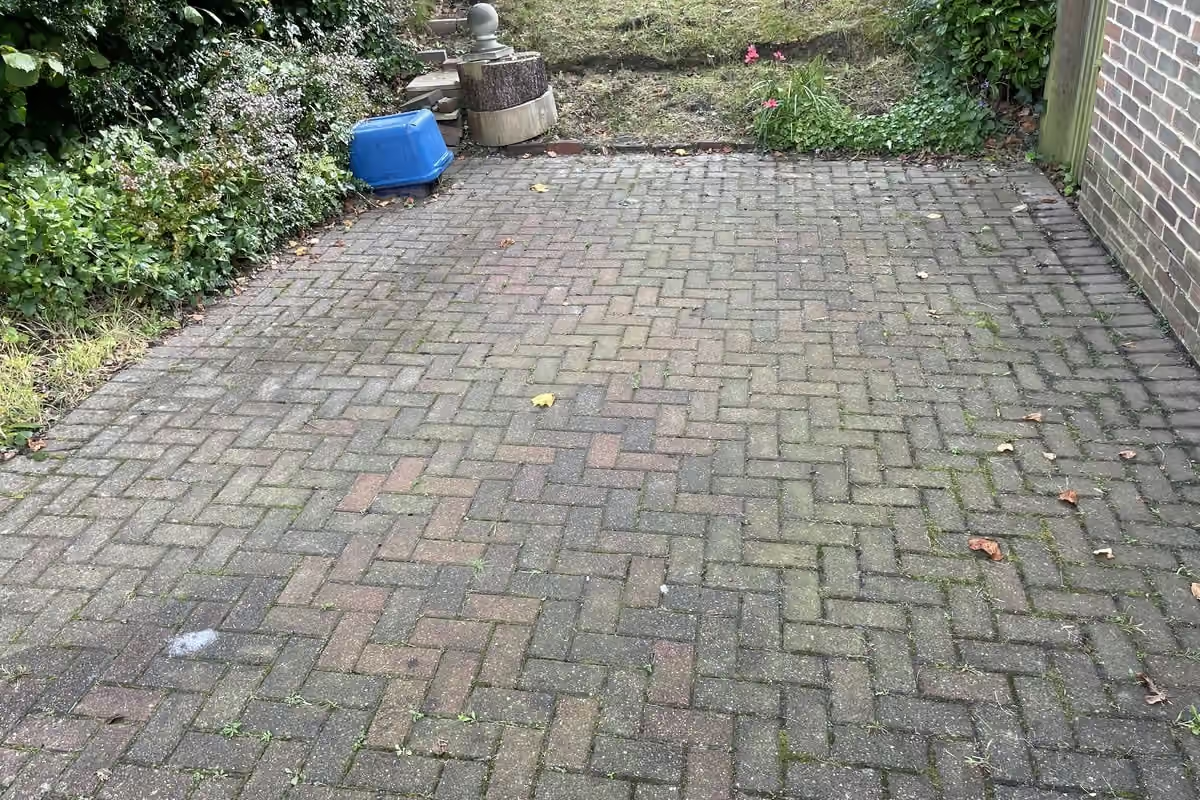
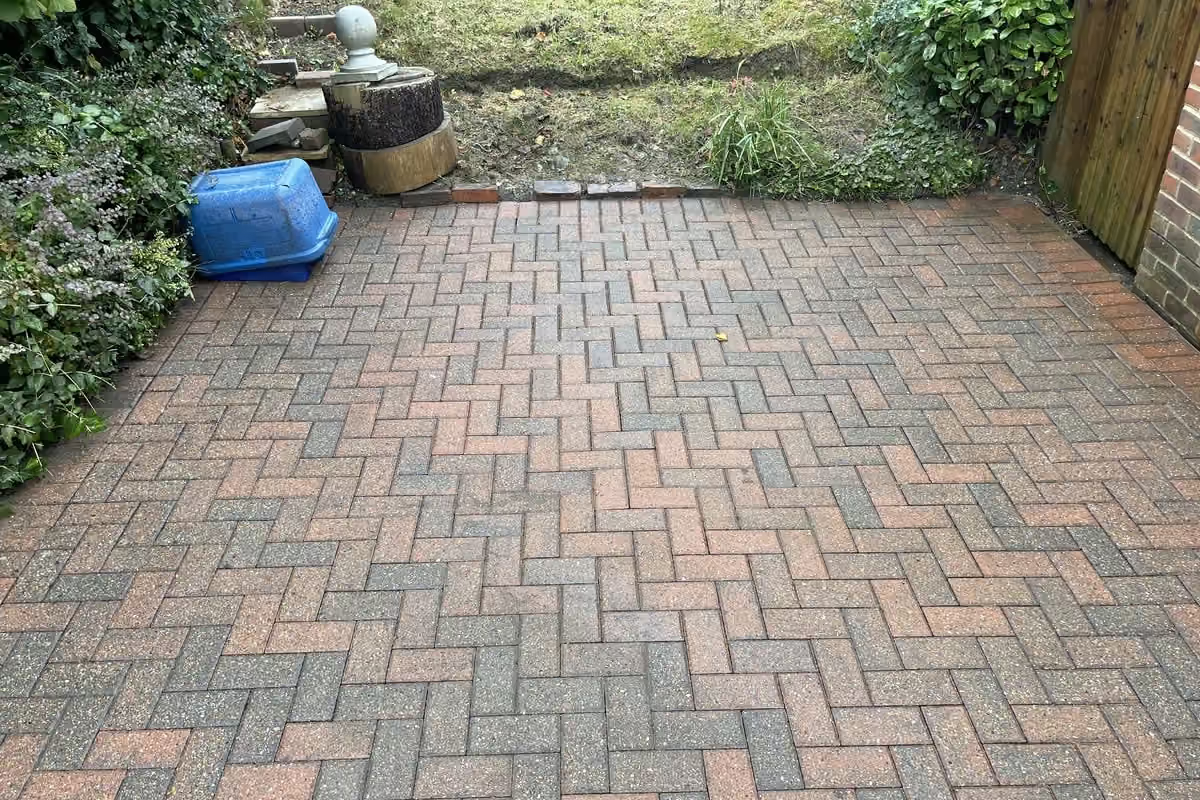
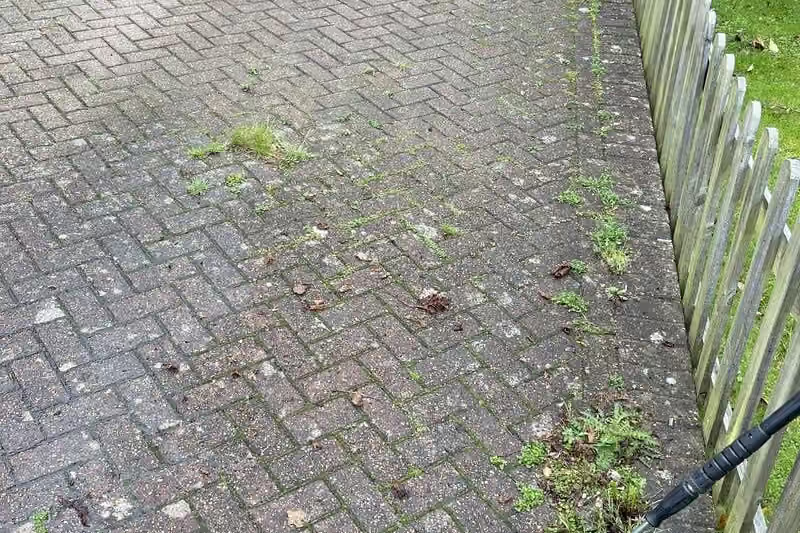
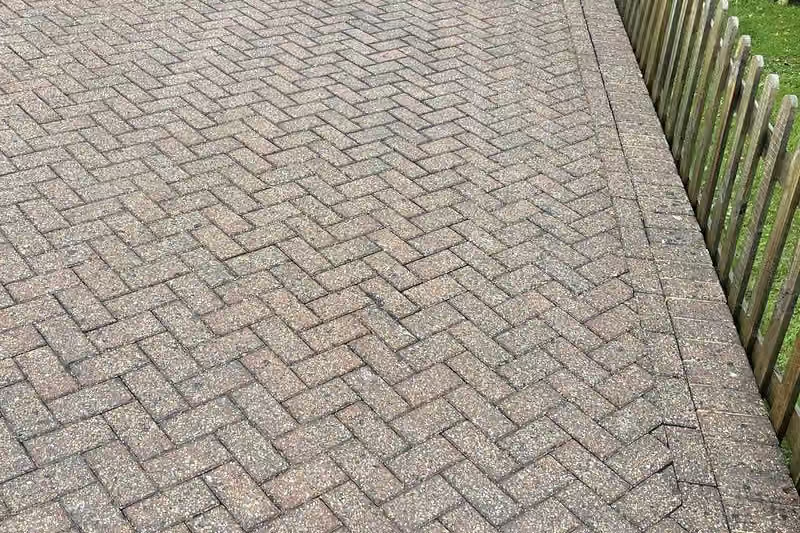
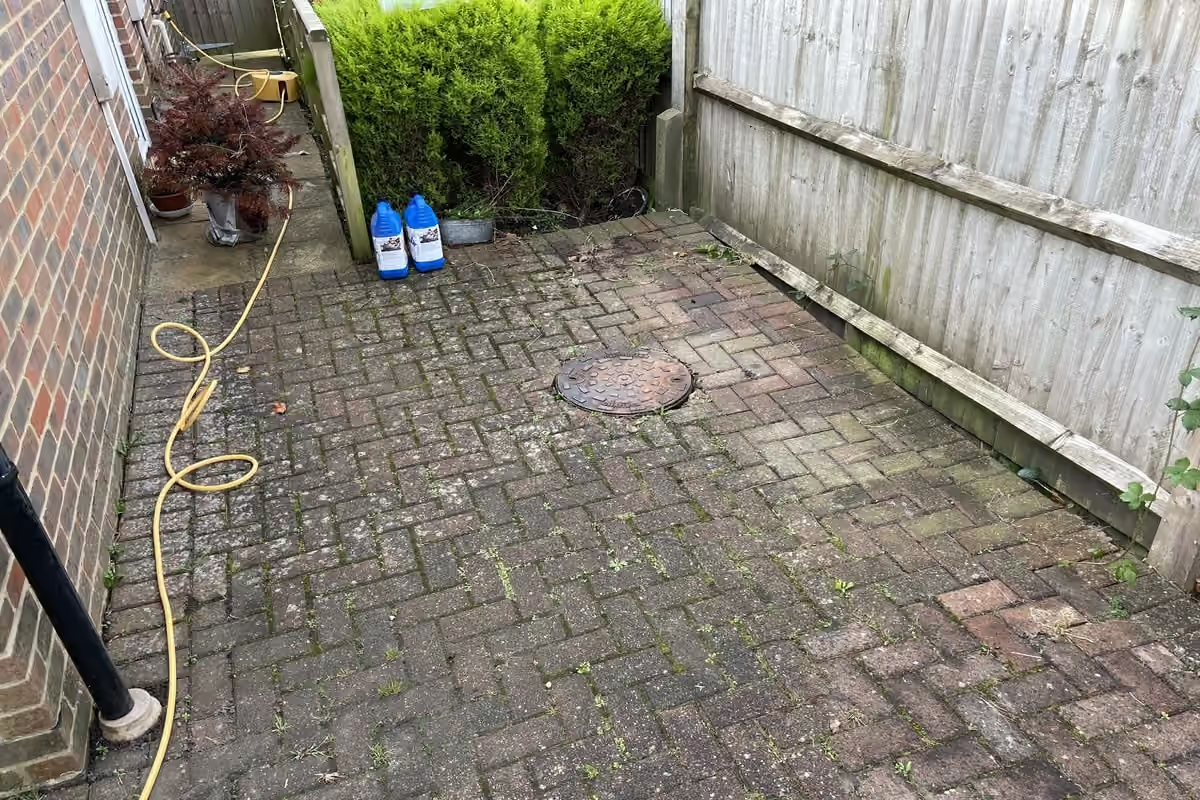
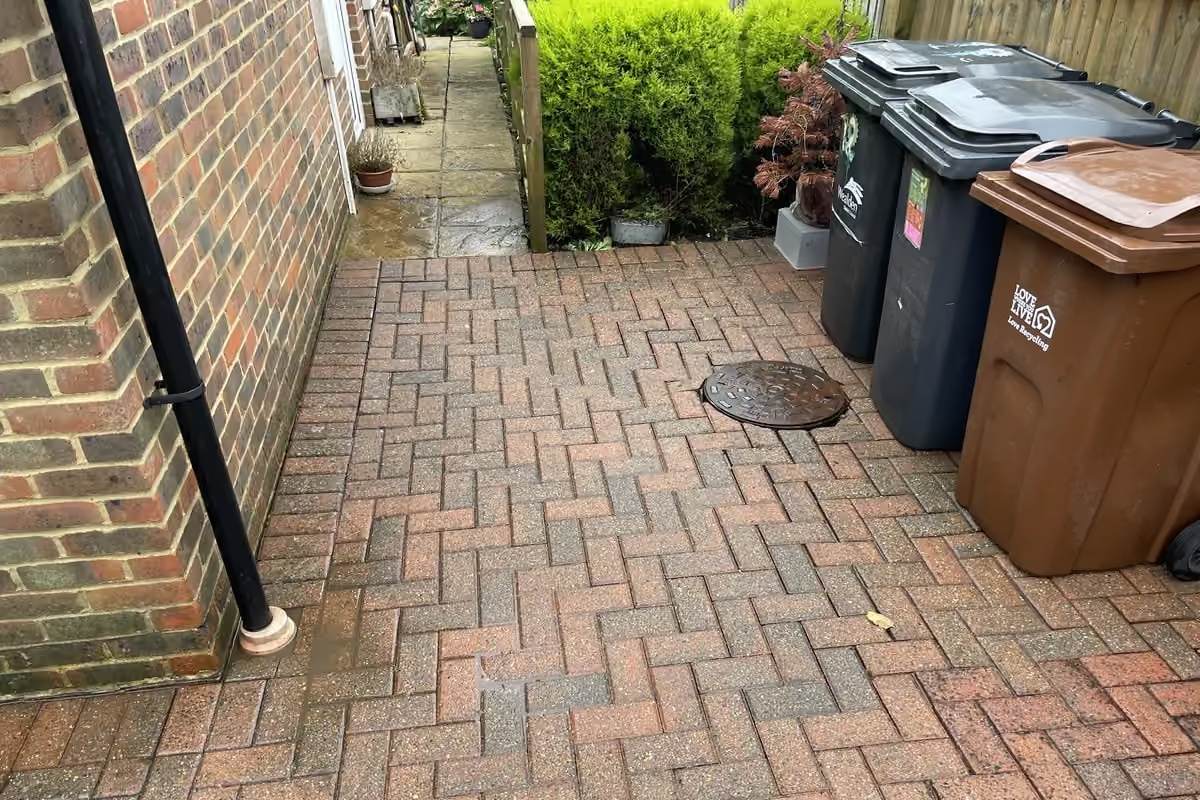
What actually makes a yard dirty
Very little of it is weather. An industrial yard is dirty because of what is driven and dropped on it, and each source behaves differently under a jet.
Tyre rubber comes off as black scuffing at the turning points and by the bay doors. It sits on the surface and it responds well. This is the change people notice.
Hydraulic oil from tail lifts and forklifts arrives as small heavy drips in the same spots. Fresh, it lifts with a degreaser. Old, it is in the concrete.
Diesel spillage around a fuel point is the deepest of the three and the least reversible.
Rust staining from steel stillages and skip feet left standing in one place for months goes into the concrete as iron oxide. Water does nothing to it. It needs an acidic rust remover, which is a separate job and not something I would put on a yard without discussing it first.
Knowing which of those you have is what decides whether a clean is worth buying. If your apron is mostly rubber scuffing, it will look dramatically better. If it is twenty years of diesel around a tank, it will be safer but it will not look new, and anyone promising otherwise has not seen it.
Slip risk is usually the real reason
Most yard cleans I would expect to be bought for a safety reason rather than an aesthetic one. A concrete apron with an oily film on it, wet, with someone stepping down from a cab onto it, is a genuine hazard, and it is the sort of hazard that is entirely obvious in hindsight.
Degreasing the walking routes between the bay doors and the parking is often the highest value part of the whole job and a small fraction of the area.
Working around a live site
I plan yard work in bands. A loading apron is usually laid out as a run of bays with a shared turning area, so one bay plus its approach can be shut, washed and reopened while the rest keeps running. On a two bay unit that is an hour of reduced capacity rather than a lost morning.
Concrete dries slower than tarmac, particularly in the shade of a building, so allow for that when you plan the first vehicle back on. In summer it is minutes. In November it can be a couple of hours.
Pricing an industrial site
Yards are priced by the day more often than by the square metre, because the variable is not the area, it is how much of the surface needs degreasing rather than washing. A big clean apron is quick. A small one with fifteen years of oil on it is not.
The figures published here are guides for planning a budget. The number that matters comes after I have walked your site and, on anything with heavy staining, after a test patch you have looked at.
Questions
Industrial and warehouse yards: what buyers ask
We have HGV movements all day. When can you actually work?
Whenever your yard is quietest, which on most units is either before the first collection or after the last one. Tell me your slot pattern at survey and I will build the visit around it. On a big apron I would rather do it across two short early sessions than block your turning circle for a full day.
Does diesel come out of concrete?
Partly. Diesel soaks in deep and what you see is a stain within the concrete rather than on it, so no amount of water reaches it. A degreaser and agitation lifts the surface contamination and takes the slip risk away, which is normally the actual problem. The grey shadow often stays. I will say so before I start rather than let you expect a result I cannot give.
Can you clean around racking and stored stock?
Up to a point, and it is better if you clear a section at a time. Water travels further than people expect off a hard surface, and pallets standing on the apron will get wet. Where stock cannot move I mask and work at reduced pressure with a wider fan, but you get a better job on a clear surface and it takes less time.
What about the interceptor and our environmental permit?
This is the one worth getting right. If your yard drains through an oil interceptor, washing down heavy contamination pushes a load through it and it needs to have capacity. I will ask about your interceptor and its service record at survey, and where the site drains to surface water without one, we plan the work so what comes off it is controlled rather than just hosed away.
Arrange a survey
Tell me about the industrial and warehouse yards
Rough area, surface type and the quietest window on your site is enough to start with. I will walk it before quoting, and put a fixed price in writing afterwards.
Sent
That is with me.
I read every one myself. If you sent photos I can usually come back with a fixed price the same day, or the next morning if it arrives late.