Jet Washing in Seaford & the Surrounding Villages
The general service. Drives, paths, steps, walls, patios and anything else that has gone green, priced by the square metre with the rate published up front.
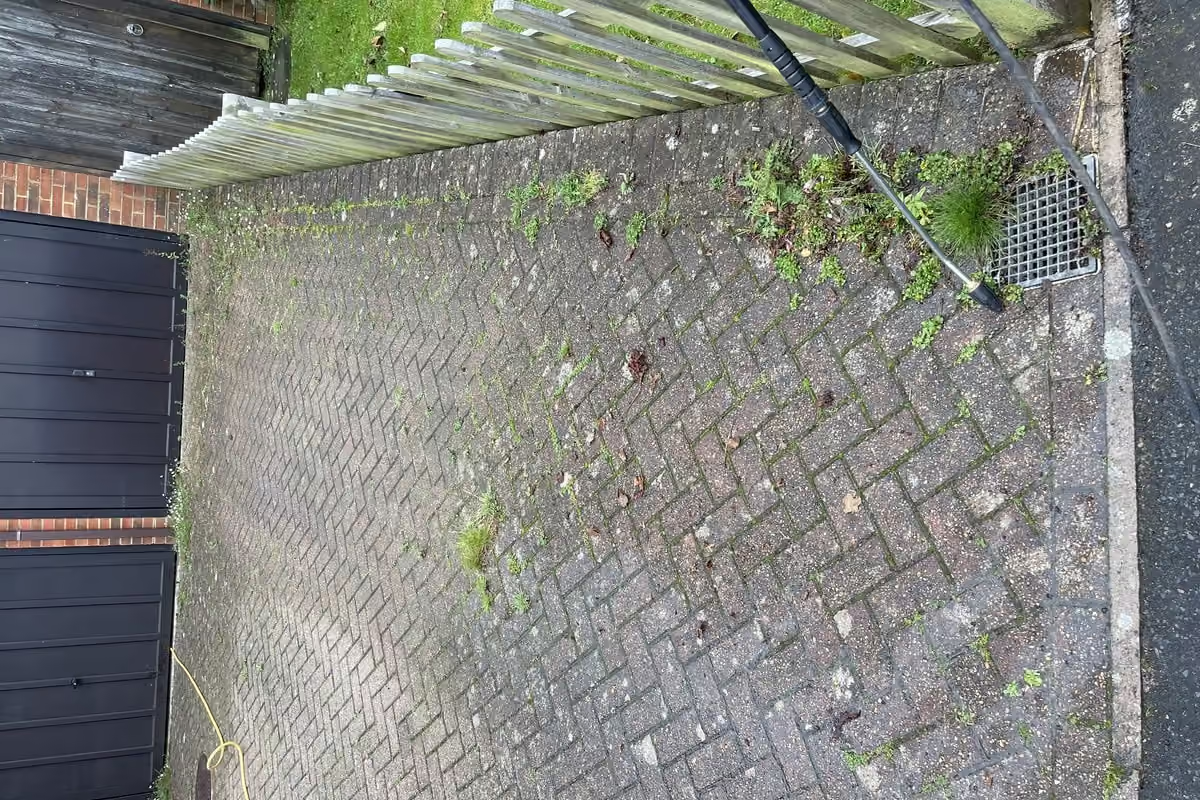
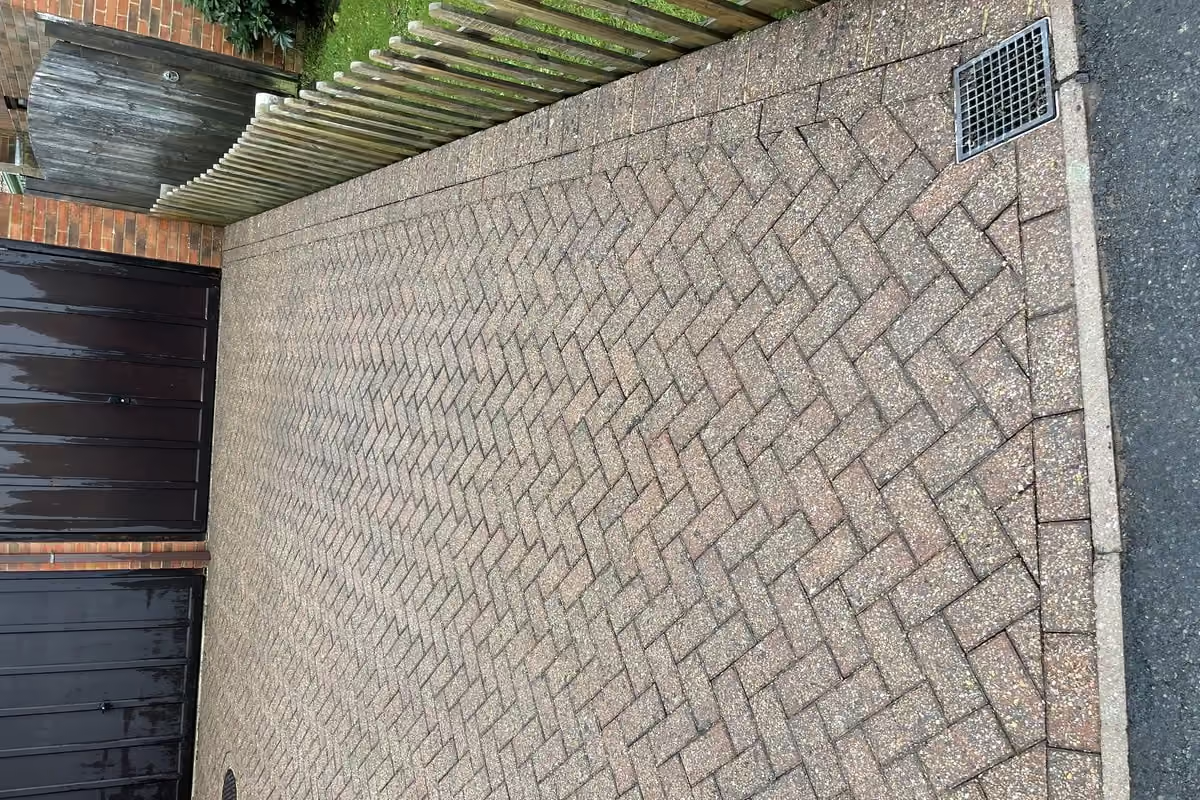
Jet washing is the broad job rather than a specific one. Most of what I get called out for is a driveway or a patio, but a lot of quotes end up including the path down the side of the house, the three steps up to the front door, and the bit of concrete behind the garage that nobody has looked at since 2019.
I price all of it the same way, by the square metre, at the rate published on this site. That means you can add the side path to the job without wondering what it will do to the bill.
The equipment, briefly
A petrol machine, because I am not running an extension lead out of your kitchen window and because petrol machines hold pressure better on a long hose run. A rotary surface cleaner for open areas. A lance with a range of nozzles for edges and detail. An outside tap is ideal, though I can work from a kitchen tap with an adaptor and I can bring a tank if there is no supply at all, which costs a bit more because filling it takes time.
The surface cleaner is the piece that matters most. Two jets spinning under a shroud at a fixed height give you an even pass with no striping, and the shroud keeps the slurry down rather than firing it up your wall. Almost every badly cleaned drive I see was done with a lance alone by somebody working across it in arcs.
Nozzles, angles and standoff
Three numbers decide whether a clean is a good one.
The fan angle is the spread of the jet. A zero degree turbo nozzle concentrates everything into a spinning point and it will cut a line into concrete if you hold it still. A 25 or 40 degree fan spreads the same energy over a much wider strip and is what most surfaces should see.
The standoff is how far back you hold it. Pressure at the surface falls away quickly with distance, so moving back six inches can halve what lands on the stone. It is the cheapest control you have and the one people forget when they are trying to shift a stubborn patch.
The dwell is how long you leave the jet in one place. Sweeping steadily removes dirt. Stopping to work on a mark removes stone.
Get those three wrong on block paving and you blow the joint sand out and scour the surface of the blocks. Get them wrong on sandstone and you fur the face of it. Get them wrong on tarmac and you lift the bitumen and loosen the aggregate, which is why I do not jet wash tarmac at all.
What I will not put a jet washer near
Tarmac, in almost every case. The water gets under the surface layer and takes the stones with it. If a tarmac drive is green there are gentler ways to deal with it, and I would rather do that than hand you back a drive with bald patches.
Anything with soft lime mortar, which is a lot of the older properties around Alfriston and Lewes. Water at pressure blows the pointing straight out and then goes into the wall behind it.
Old clay pavers that have started to spall, painted surfaces, and any render that is already cracked. In each case there is usually a soft wash approach that gets you most of the way there without the damage.
Steps and paths are worth doing on their own
Steps are the one job I will happily take below the minimum charge as an add-on, because a slippery step is the thing on a property most likely to actually hurt somebody. Algae on a north-facing brick step in January is genuinely dangerous, and it takes twenty minutes.
Paths down the side of a house are the classic forgotten job. They are shaded most of the day, they never dry properly, and they green over faster than anything else on the property.
How long it takes
A 25 square metre patio is about three hours including the re-sanding. Forty square metres of block paving driveway is most of a day. Sixty square metres and up is a full day, occasionally two if the moss is thick enough to need scraping before any water goes near it.
I tell you the expected time when I quote. If it takes longer than I judged, that is my problem, and the price does not move.
The mess, honestly
Jet washing produces a slurry of dirt, dead algae, sand and whatever else was in the joints, and it has to go somewhere. I direct it to a drain or a soakaway and sweep and rinse the run-off before I leave. I keep it off borders and lawns where the fall allows, though on some properties the water only wants to go one way and I will tell you in advance if that way is across your flowerbed.
Windows and cars nearby get a rinse if they have caught any spray. The job is not finished until the site is tidier than I found it, which is a low bar on a green driveway but I mean it as more than that.
Pricing
£4.50 a square metre for concrete, slabs and paving. £5.50 for block paving, which includes re-sanding with kiln-dried sand. £5 for natural stone. Minimum job £150.
Everything is quoted in writing before I start, worked out from those rates, and it does not change afterwards. I do not charge a day rate. A day rate pays me for working slowly and a fixed price pays me for being good at it.
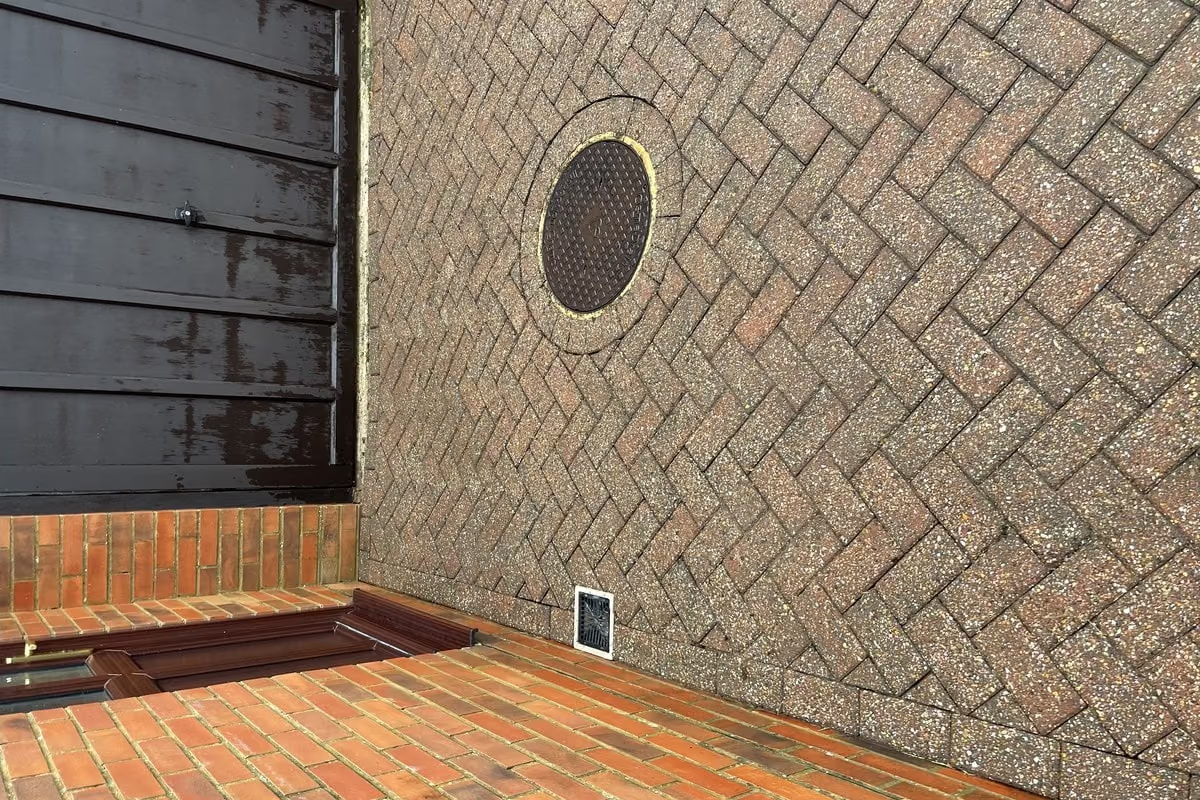
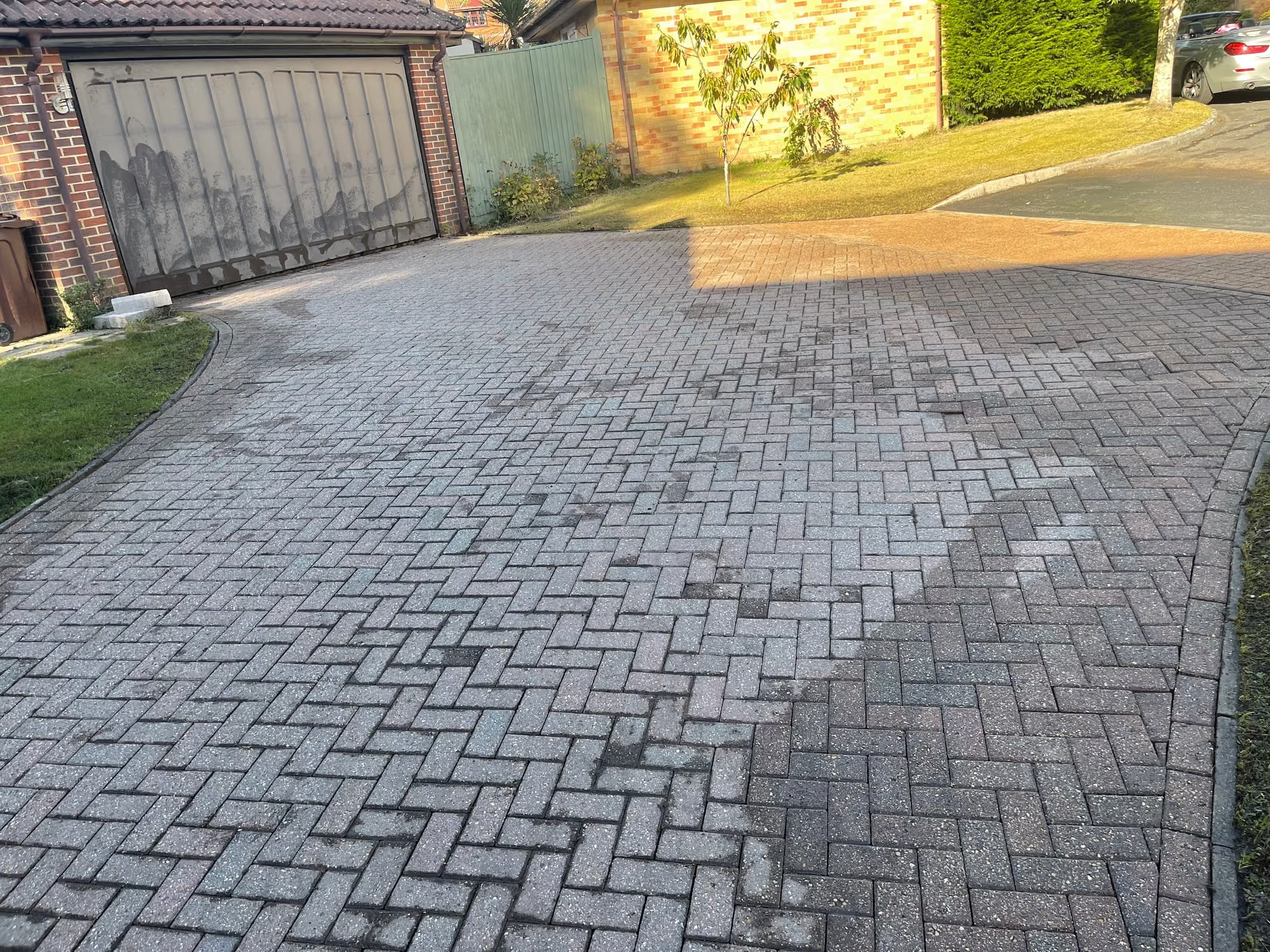
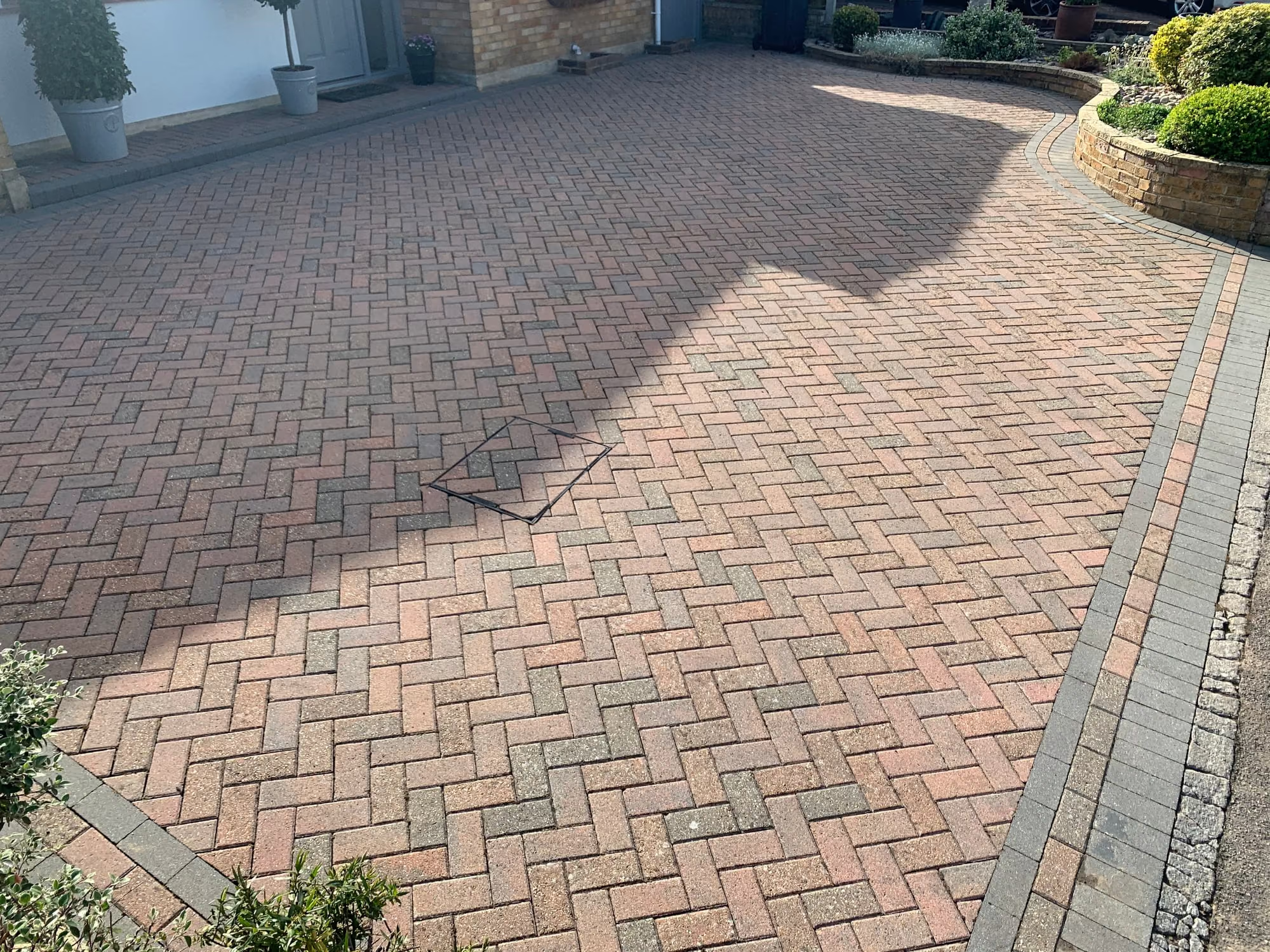
From my own jobs
What this looks like in practice
Questions
Jet washing: what people ask
What pressure do you actually use?
It varies by surface and it matters more than the machine. Concrete and block paving take full pressure through a rotary cleaner. Sandstone comes down considerably and goes through a wider fan. Old brick, soft stone and lime pointing get lower pressure still, or a soft wash with no meaningful pressure at all. A machine that can do 200 bar is not an instruction to use 200 bar.
Can you clean steps and paths as well?
Steps and paths yes, and steps are worth doing on their own for how slippery they get by November. Walls and render I leave alone. Pressure drives water into mortar and blows out old pointing, and washing a house elevation is a different trade from washing the ground. Say what you want doing when you send photos and the ground-level work goes in one quote.
Is there anything you will not jet wash?
Tarmac, in almost every case, because the water lifts the bitumen and loosens the aggregate. Anything with soft lime mortar. Old clay pavers that have started to spall. Painted surfaces, which come off in flakes. In each case there is usually a gentler way to get most of the way there, and I would rather do that than hand you back a wrecked surface.
Do you charge by the hour or the job?
By the job, quoted in writing before I start, worked out from the square metre rate published on this site. Day rates suit the person holding the lance, not the person paying. If a job takes longer than I judged, that is my problem and the price does not move.
Get a price
Send me photos and I will price your jet washing
Two or three photos and a rough size is all I need. Fixed price back in writing, usually the same day.
Sent
That is with me.
I read every one myself. If you sent photos I can usually come back with a fixed price the same day, or the next morning if it arrives late.